St Thomas the Apostle
മാർ തോമാ ശ്ലീഹാ
The apostle whom Kerala’s Christians call their father in faith
- Born
- First century, Galilee
- Died
- Traditionally AD 72, Mylapore, Chennai
- Feast day
- 3 July
- Remembered for
- The apostle of India
- Beatified
- —
- Canonised
- Apostle, venerated from the earliest centuries
- Also known as
- Mar Thoma Sleeha · Didymus
- Tradition
- All traditions
History
Thomas appears in the Gospels as the apostle who wanted evidence, and whose doubt produced the confession that John records as My Lord and my God. That episode gave him a name in English usage that says less about him than the rest of his life does.
The tradition held by the Saint Thomas Christians of Kerala is that he landed at Maliankara near Kodungallur, the ancient port of Muziris, in AD 52, arriving by the trade route that already linked the Malabar coast to the Middle East.
He is said to have founded seven and a half churches, the Ezharappallikal, at places including Kodungallur, Kollam, Niranam, Nilackal, Kokkamangalam, Kottakkavu and Palayoor, with the half church usually counted as Thiruvithamcode. Several of these communities have continuous histories and are living parishes today.
The tradition continues that he travelled on to the Coromandel coast and was killed at Mylapore, near present-day Chennai, around AD 72. The San Thome Basilica there is built over the tomb, one of only a small number of churches in the world built over an apostle’s grave.
Historians debate the detail, as they do for most first-century accounts. What is not in doubt is that the Christian community of Kerala is among the oldest anywhere, that it named itself after him, and that its liturgy, its families and its identity have been shaped by that claim for centuries.
Other saints
St Alphonsa of the Immaculate Conception
A Franciscan Clarist sister from Kottayam whose short life was marked by illness borne quietly, and whose tomb...
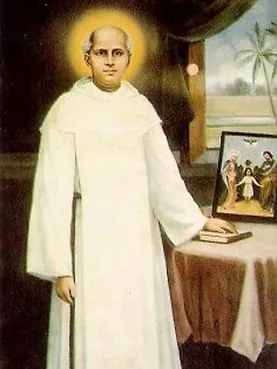
St Kuriakose Elias Chavara
Priest, founder of the first indigenous religious congregations in Kerala, and the man behind the rule that ev...
St Euphrasia Eluvathingal
A Carmelite sister of Thrissur who spent fifty years in the same convent and became known across the district...
St Mariam Thresia Chiramel Mankidiyan
She built her work around the family home: visiting the sick, sitting with the dying, and founding a congregat...
St Devasahayam Pillai
A palace official of Travancore who was baptised, refused to recant, and was shot after three years of impriso...
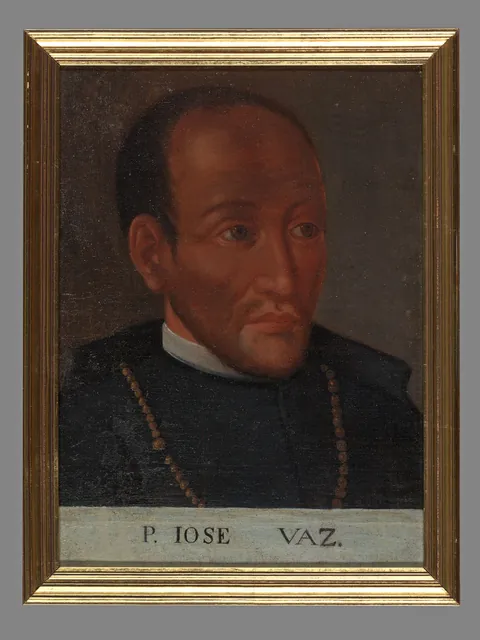
St Joseph Vaz
Born in Goa, he entered Dutch-ruled Ceylon in disguise when Catholic priests were banned, and spent twenty-fou...